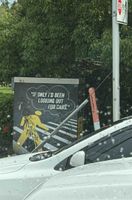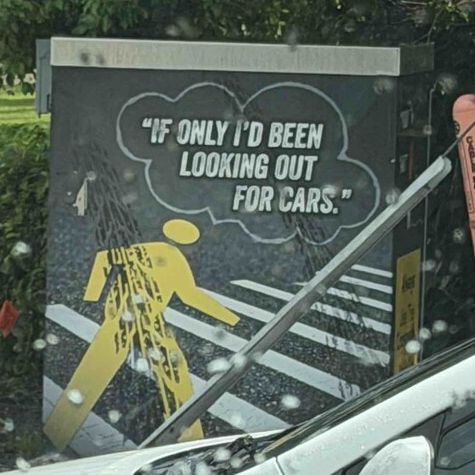
If only I'd been looking out for cars. Roadside Lessons
- Foundation date
28 August 2026
- City
Jacksonville, FL
If only I'd been looking out for cars.
Sometimes a road sign teaches you more than a textbook.
Let’s take this sentence apart.
If only — a phrase used to express regret about something that happened differently from what we wanted.
If only… = I wish…
I'd = I had
had been looking — Past Perfect Continuous:
had been + verb-ing
We use it to describe an action that was continuing up to a particular point in the past.
And then there’s the useful little phrasal verb:
look out for = to watch carefully for something or someone, especially to avoid danger.
So:
If only I'd been looking out for cars.
means:
I wish I had been paying attention to the cars.
The important difference is between:
If only I had looked out for cars.
→ regret about a particular action.
If only I had been looking out for cars.
→ regret about not being attentive over a period of time.
A few more examples:
If only I'd been paying attention.
If only I'd been listening.
If only I'd been watching the road.
If only we'd been looking where we were going.
And now look at the sign again.
The grammar is Past Perfect Continuous.
The vocabulary is look out for.
And the illustration provides a rather… unforgettable example.
Sometimes the road really is the best language teacher.